DogSource: Plumb's Veterinary Drug Handbook
Systemic infection caused by a susceptible organism: 20,000–40,000 IU/kg every 4–6 h
Antibiotic Therapy
Natural injectable penicillin · bactericidal (cell-wall synthesis inhibitor)
This page is a calculation and educational reference for veterinarians and veterinary students. It does not replace examination, culture and susceptibility testing, clinical judgment, or the attending veterinarian's final decision.
Natural injectable penicillin · bactericidal (cell-wall synthesis inhibitor)
Brand names: Pfizerpen®, Penikel®, Benzapro®, Procaben Vet®
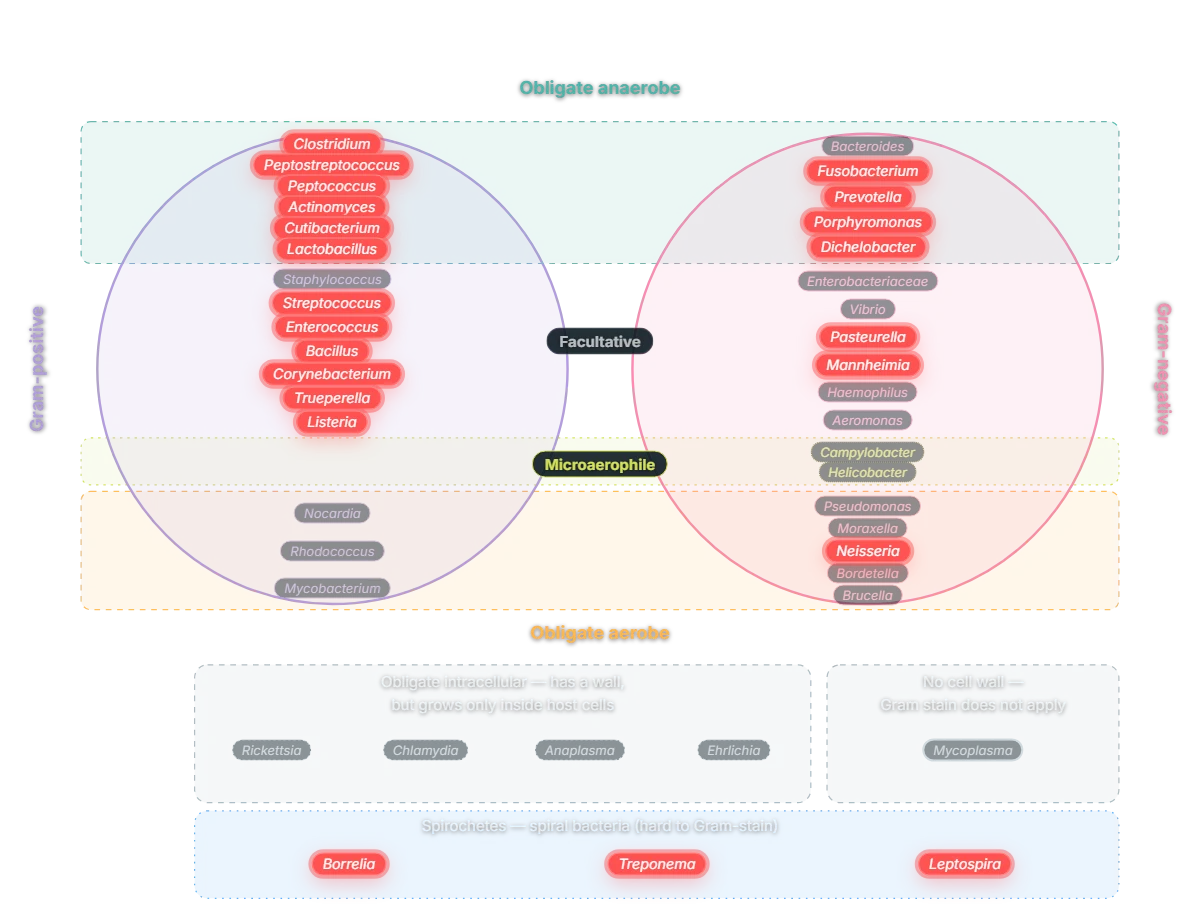
Systemic infection caused by a susceptible organism: 20,000–40,000 IU/kg every 4–6 h
Orthopedic infection caused by a susceptible organism: 20,000–40,000 IU/kg IV every 6 h
Leptospirosis when doxycycline cannot initially be tolerated: 25,000–40,000 IU/kg IV every 6–8 h
Cat; systemic infection caused by a susceptible organism: 20,000–40,000 IU/kg every 6 h
Infection caused by a susceptible organism: 20,000–40,000 IU/kg every 12–24 h for no more than 5 days
Respiratory infection caused by susceptible Pasteurella or Gram-positive cocci: 10,000–30,000 IU/kg IM every 24 h
Canine actinomycosis: 100,000–200,000 IU/kg IM every 24 h
Feline actinomycosis: 50,000–100,000 IU/kg every 12 h
Veterinary 3:1 product: 20,000 total IU/kg IM every 24 h
30,000 total IU/kg (15,000 IU benzathine + 15,000 IU procaine/kg) as one dose
Dog: 40,000 IU/kg IM every 5 days if needed
Cat: 50,000 IU/kg IM every 5 days if needed
Infection caused by a susceptible organism: 25,000 total product IU/kg IM every 48 h
Drug-data last updated: