VetFluid

Antibiotic Therapy

Metronidazole

Nitroimidazole · anti-anaerobic and antiprotozoal

Species: Dogs & Cats19 dose protocols4 dosage forms

This page is a calculation and educational reference for veterinarians and veterinary students. It does not replace examination, culture and susceptibility testing, clinical judgment, or the attending veterinarian's final decision.

Drug overview

Nitroimidazole · anti-anaerobic and antiprotozoal

Brand names: Flagyl®

General dose: 10–15 mg/kg · every 12 h (anaerobic/protozoal)Source: Plumb's (general)

Spectrum of activity

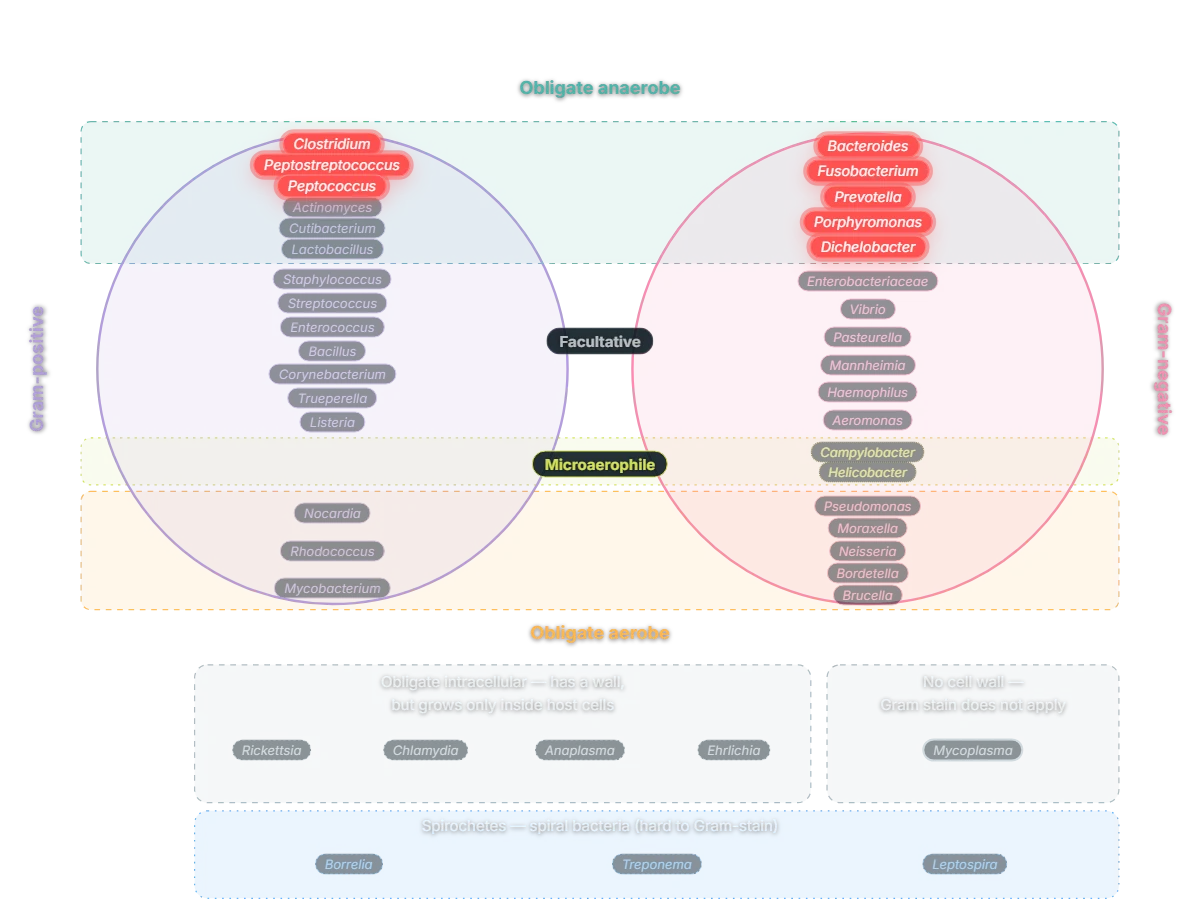
Only obligate anaerobes and protozoa (Giardia, Entamoeba); it has no activity against aerobes. The most important resistant anaerobic group is the non-spore-forming Gram-positive bacilli — such as Actinomyces, Cutibacterium and Lactobacillus — which are common in above-the-diaphragm infections (mouth and respiratory tract); so metronidazole alone is not a good choice for these infections.
Metronidazole spectrum of activity chart
Open the full-size spectrum image

Veterinary uses and doses

Giardia

Dogs & CatsSource: CAPC / FDA

Standard dose: 25 mg/kg · every 12 h · 5 days (common range 10–25)

Clinical note: Fenbendazole (50 mg/kg once daily · 3–5 days) is first-line for giardia (safer, and safe in pregnancy/lactation); metronidazole is an alternative or adjunct. Avoid high metronidazole doses (especially above 60 mg/kg/day) because of neurotoxicity.
CatSource: Zoran 2007

Cat: 25 mg/kg · every 12 h · 7 days

Other protozoa

DogSource: Chiapella 1988

Trichomoniasis: 30–60 mg/kg · once daily · 5–7 days

Dogs & CatsSource: Lappin 2000

Entamoeba / Pentatrichomonas: 25 mg/kg · every 12 h · 8 days

Anaerobic infection

Dogs & CatsSource: Hardie 2000

Sepsis: 15 mg/kg IV · every 12 h

DogSource: Tello 2003

Anaerobic sepsis (CRI): 10 mg/kg IV · every 8 h

DogSource: Schunk 1988

Anaerobic meningitis: 25–50 mg/kg · every 12 h

DogSource: Cornelius 1988

Suppurative cholangitis: 25–30 mg/kg · every 12 h · 4–6 weeks

Combination therapy: may be combined with chloramphenicol
Dogs & CatsSource: Plumb's (updated)

Anaerobic (general): 10–15 mg/kg · every 12 h

Dogs & CatsSource: Greene 2006

Tetanus (Clostridium tetani): 10 mg/kg · every 8 h · 10 days

Clinical note: Metronidazole is the antibiotic of choice for tetanus and is preferred over penicillin (penicillin is a GABA antagonist and can worsen spasms). Antibiotics are only part of therapy; antitoxin, supportive care and spasm control are essential.
Helicobacter (triple therapy)

DogSource: Hall 2000

15.4 mg/kg · every 8 h · 3 weeks

Combination therapy: + amoxicillin 11 mg/kg every 8 h + bismuth subsalicylate 0.22 mL/kg every 4–6 h
DogSource: Hall 2000

33 mg/kg · once daily · 3 weeks

Combination therapy: + amoxicillin 11 mg/kg every 12 h + sucralfate or omeprazole
CatSource: Simpson 2003

10–15 mg/kg · every 12 h · 14 days

Combination therapy: + clarithromycin 7.5 mg/kg every 12 h + amoxicillin 20 mg/kg every 12 h

Plasmacytic/lymphocytic enteritis

DogSource: Magne 1999

10 mg/kg · every 8 h · 2–4 weeks

DogSource: Leib 1989

Refractory cases: 10–30 mg/kg · every 8–24 h · 2–4 weeks

Inflammatory bowel disease (IBD)

DogSource: Leib 2000

Refractory ulcerative colitis: 10–20 mg/kg · every 8–12 h · 2–4 weeks

DogSource: Moore 2004

Start 10–15 mg/kg every 12 h, then taper to the lowest effective dose

DogSource: Marks 2007

10–15 mg/kg · every 8–12 h (moderate/severe cases)

Combination therapy: with prednisolone

Hepatic encephalopathy

DogSource: Hardie 2000

20 mg/kg · every 8–12 h

Clinical note: ⚠️ These patients have hepatic failure and metronidazole is metabolized by the liver. In significant hepatic impairment, reduce the dose to 25–50% and avoid prolonged use.

Dosage forms

Safety and clinical notes

Cited sources

  1. Plumb's (general)
  2. CAPC / FDA
  3. Zoran 2007
  4. Chiapella 1988
  5. Lappin 2000
  6. Hardie 2000
  7. Tello 2003
  8. Schunk 1988
  9. Cornelius 1988
  10. Plumb's (updated)
  11. Greene 2006
  12. Hall 2000
  13. Simpson 2003
  14. Magne 1999
  15. Leib 1989
  16. Leib 2000
  17. Moore 2004
  18. Marks 2007
Calculate a weight-based dose

Drug-data last updated: