Species: Dogs & Cats2 dose protocols4 dosage forms
This page is a calculation and educational reference for veterinarians and veterinary students. It does not replace examination, culture and susceptibility testing, clinical judgment, or the attending veterinarian's final decision.
General dose: 2.75–5.5 mg/kg · once daily (dogs & cats)Source: Zeniquin (Plumb's)
Spectrum of activity
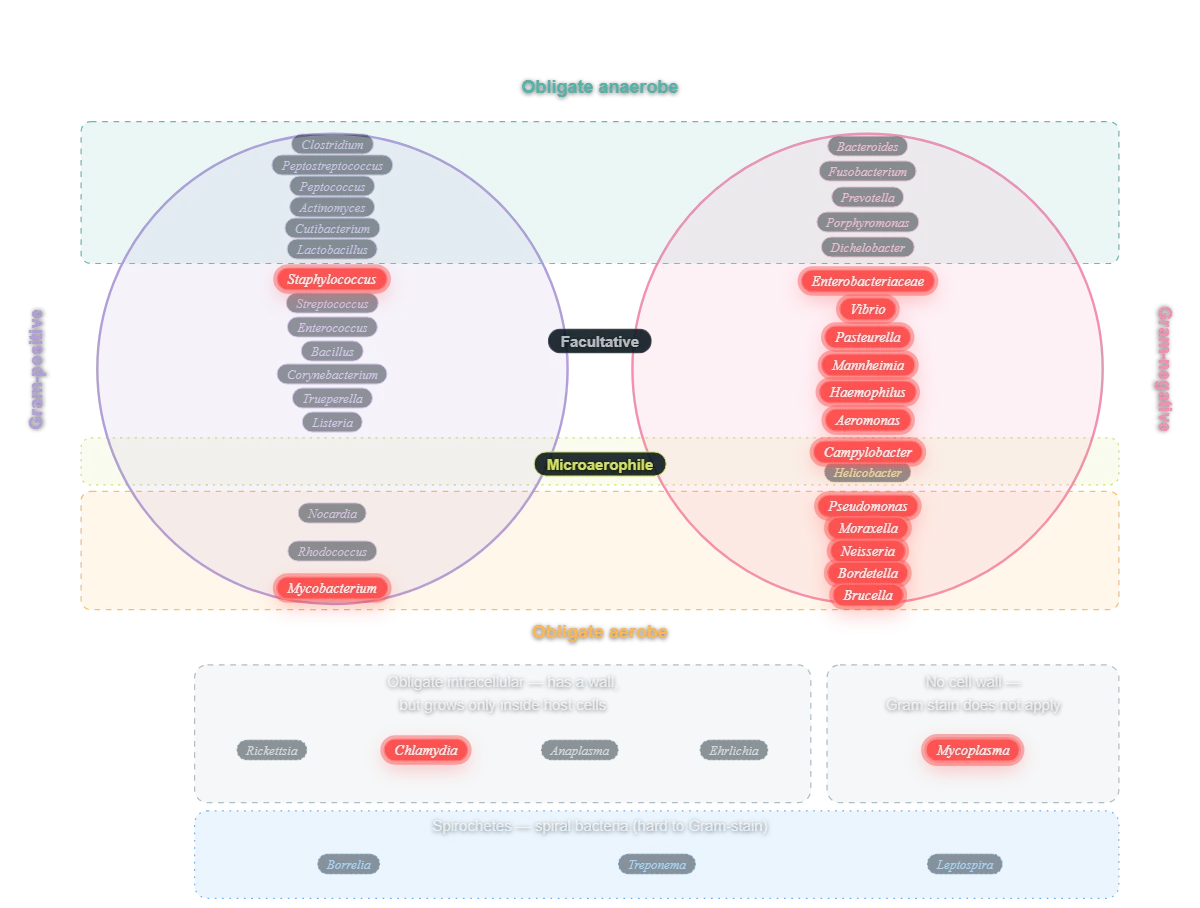
A veterinary fluoroquinolone, concentration-dependent bactericidal (DNA-gyrase inhibitor), with a spectrum essentially identical to enrofloxacin. Strong Gram-negative cover: Enterobacteriaceae (E. coli, Klebsiella, Proteus, Salmonella, Enterobacter, Serratia, Yersinia), Pasteurella, Haemophilus, Campylobacter, Aeromonas and Brucella. Activity against Pseudomonas is isolate- and susceptibility-dependent and must not be assumed without culture and AST. It can be active against staphylococci, including penicillinase-producing isolates, but activity is isolate-dependent; MRSA/MRSP must not be assumed susceptible and treatment requires culture and susceptibility confirmation. It also covers selected atypical/intracellular bacteria (Mycoplasma, Chlamydia). Activity against Mycobacterium is strongly species- and isolate-dependent; mycobacterial disease requires speciation, susceptibility testing and an appropriate multidrug regimen rather than fluoroquinolone monotherapy. But it has variable/weak activity against streptococci (not a good choice), is inactive against anaerobes, and enterococci and Acinetobacter are usually resistant.
Clinical note: The dose is the same for any susceptible infection and is given once daily (concentration-dependent). For resistant Gram-negatives or Pseudomonas use the top of the range (near 5.5 mg/kg). If no improvement after 5 days, reassess the diagnosis.
Sporadic bacterial cystitis (culture-directed)
Dogs & CatsSource: ISCAID UTI guideline 2019
Culture-confirmed sporadic bacterial cystitis: 2.75–5.5 mg/kg · once daily · 3–5 days
Clinical note: A fluoroquinolone is not first-line for sporadic cystitis. Use only when urine culture and susceptibility results show that first-line options are unsuitable; obtain a urine culture in every feline case. Clinical label evidence for marbofloxacin in UTI is in dogs only, so feline use is extra-label. Give the full daily dose once daily.
Dosage forms
Oral tablet 25 mg
Oral tablet 50 mg
Oral tablet 100 mg
Injectable 20 mg/mL (Marbocyl)
Safety and clinical notes
🐱 Cats & the eye — the key difference from enrofloxacin: unlike enrofloxacin, marbofloxacin does not clearly cause retinal toxicity/blindness, and the same 2.75–5.5 mg/kg range is allowed in cats (no absolute 5 mg/kg ceiling, injection not contraindicated). A few rare blindness reports exist, so in cats use the top of the range cautiously.
Relatively contraindicated in young, growing animals (articular cartilage damage): small/medium dogs to 8 months, large breeds to 12 months, giant breeds to 18 months; cats to 12 months.
⚖️ Stewardship: not first-line for uncomplicated skin/UTI; reserve for complicated/resistant cases, ideally after culture. Give the full daily dose once daily (concentration-dependent; reduces resistance). Maximum treatment duration is 30 days.
Oral absorption is reduced by cations (antacids, dairy, iron, zinc, sucralfate) — separate by at least 2 hours.
Interacts with theophylline (raises blood levels, toxicity risk), cyclosporine (worsens nephrotoxicity) and warfarin (increased effect); do not co-administer with nitrofurantoin (antagonism). NSAIDs (e.g. flunixin) may mutually raise drug levels.
Use with caution in hepatic impairment, seizure disorders (CNS stimulation) and dehydration. A plus: renal impairment does not significantly change the dose (~40% renal + biliary elimination).
Safety in pregnancy is not established — avoid unless the benefit clearly outweighs the risk. Prohibited in food-producing animals (FDA).
Common adverse effects: GI distress (vomiting, anorexia, soft stools, diarrhea) and decreased activity. Rare: elevated hepatic enzymes, ataxia, seizures and crystalluria.